Cahit Örek
Computational and theoretical chemistry
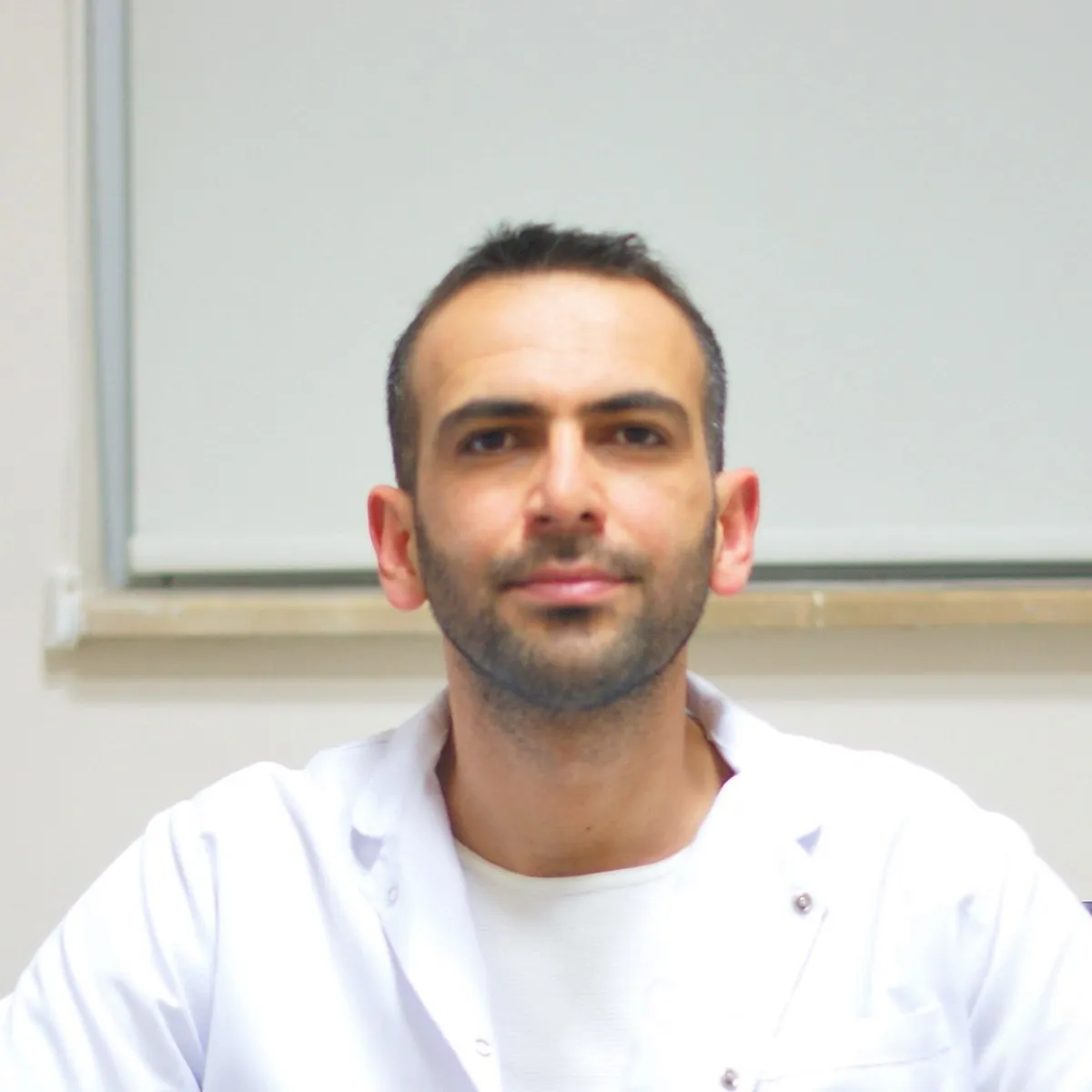
I am a lecturer in the Department of Genetics and Bioengineering, Faculty of Engineering and Architecture, Kastamonu University. I work in computational and theoretical chemistry. I calculate the electronic structure of molecules and surfaces using density functional theory (DFT) and ab initio methods, and compare the results with experimental spectroscopic data.
- Title
- Lecturer, PhD
- Institution
- Kastamonu University
Department of Genetics and Bioengineering - Fields
- Theoretical chemistry, Spectroscopy, Organic chemistry, Bioengineering
- Contact
- iletisim@cahit.info
- Profiles
- ORCIDGoogle ScholarWeb of ScienceResearchGateUNIS
Background
I completed my undergraduate degree in Mathematics and Science Education at İnönü University. I received my MSc and PhD in chemistry from Fırat University, and during my doctorate I completed a second MSc in physics at the same university. Training in both chemistry and physics directly supports my work in computational chemistry, which draws on both fields.
I have been at Kastamonu University since 2015. I have been trained on the main instruments of the central research laboratory, so I also know the experimental methods that measure the quantities I calculate. Since 2023 I have been deputy director of the Central Research Laboratory (MERLAB) and an associate editor of Turkish Computational and Theoretical Chemistry.
Research
I have 34 publications; the first appeared in 2011. My early work was on the synthesis and biological activity of triazole and phosphinic acid derivatives. I then studied the optical and electronic properties of organic semiconductors. In recent years I have carried out first-principles calculations on materials such as doped zinc oxide, hydroxyapatite and graphene. In most of my studies I evaluate experimental measurements together with computational results.
Software
Alongside research, I develop laboratory software. I built and maintain LabSIS, which manages the laboratory workflow from sample registration to the electronically signed report; LabNET, an ISO/IEC 17025 quality management application; and an application that calculates and reports soil analysis results. The laboratory needed them because its specific requirements could not be met by off-the-shelf products.
Computational chemistry and software development support each other. Both require processing large datasets reproducibly. My writing on this site will mostly be about this overlap, in particular working efficiently with AI tools and the relationship between free software and AI.
Positions
Education
Instruments
Trained and certified on the main instruments of the central research laboratory: